| What to consider | Artificial turf | Natural grass |
|---|---|---|
| Everyday upkeep | Clear debris, brush as directed and clean pet areas. | Mow, manage weeds and care for living grass. |
| Water use | No lawn irrigation for growth; cleaning may still use water. | Needs water appropriate to the grass, weather and season. |
| Summer comfort | Can get hot in direct sun; plan shade and check the surface. | Living grass is generally cooler, but can dry out or wear. |
| Project cost | Installation includes turf, ground preparation and finishing. | Establishment and ongoing lawn care both need a budget. |
| Best starting question | Would less mowing make the space more useful? | Do you want a living lawn and the care that comes with it? |
Choose for the way you use the yard
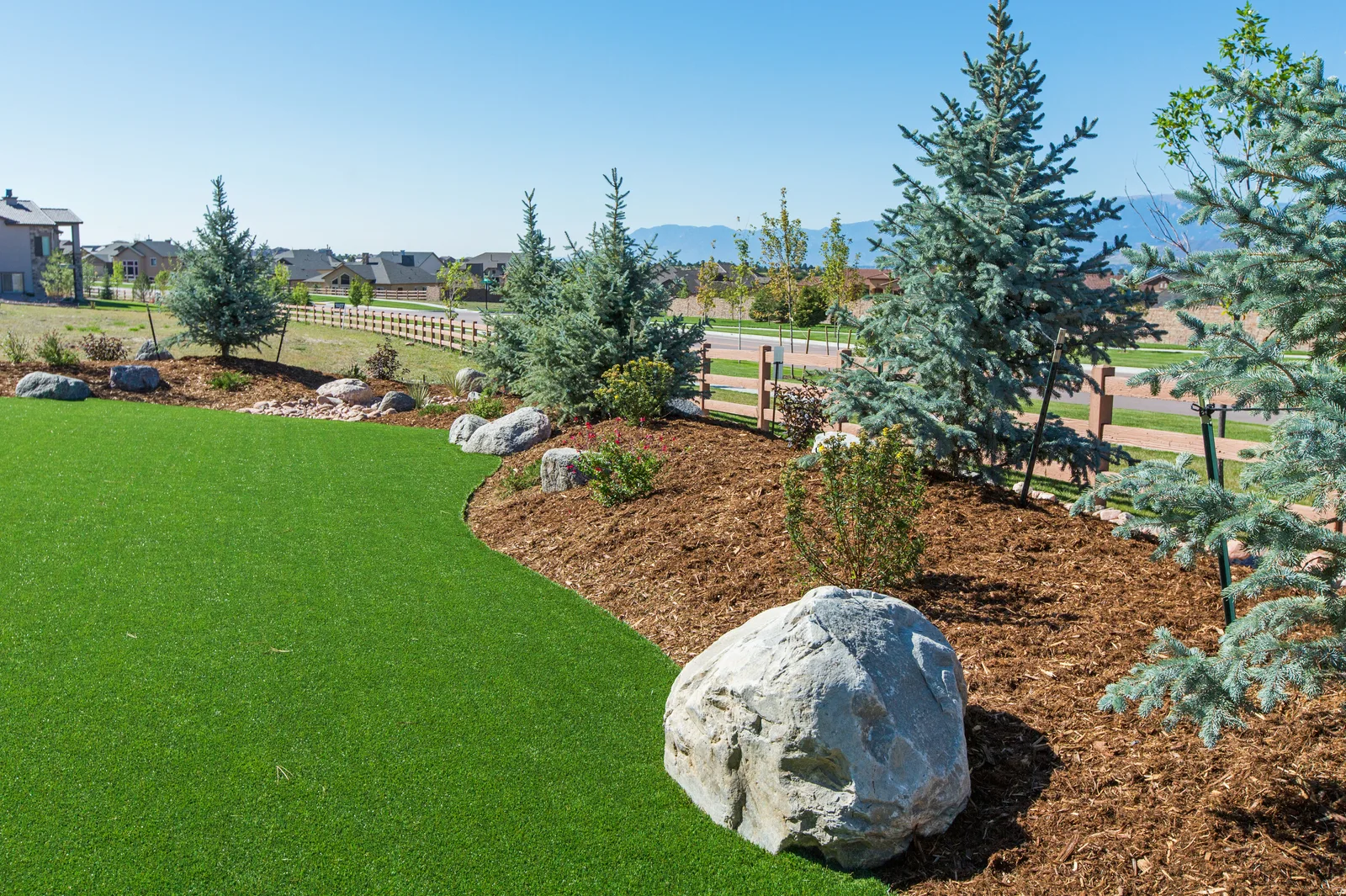
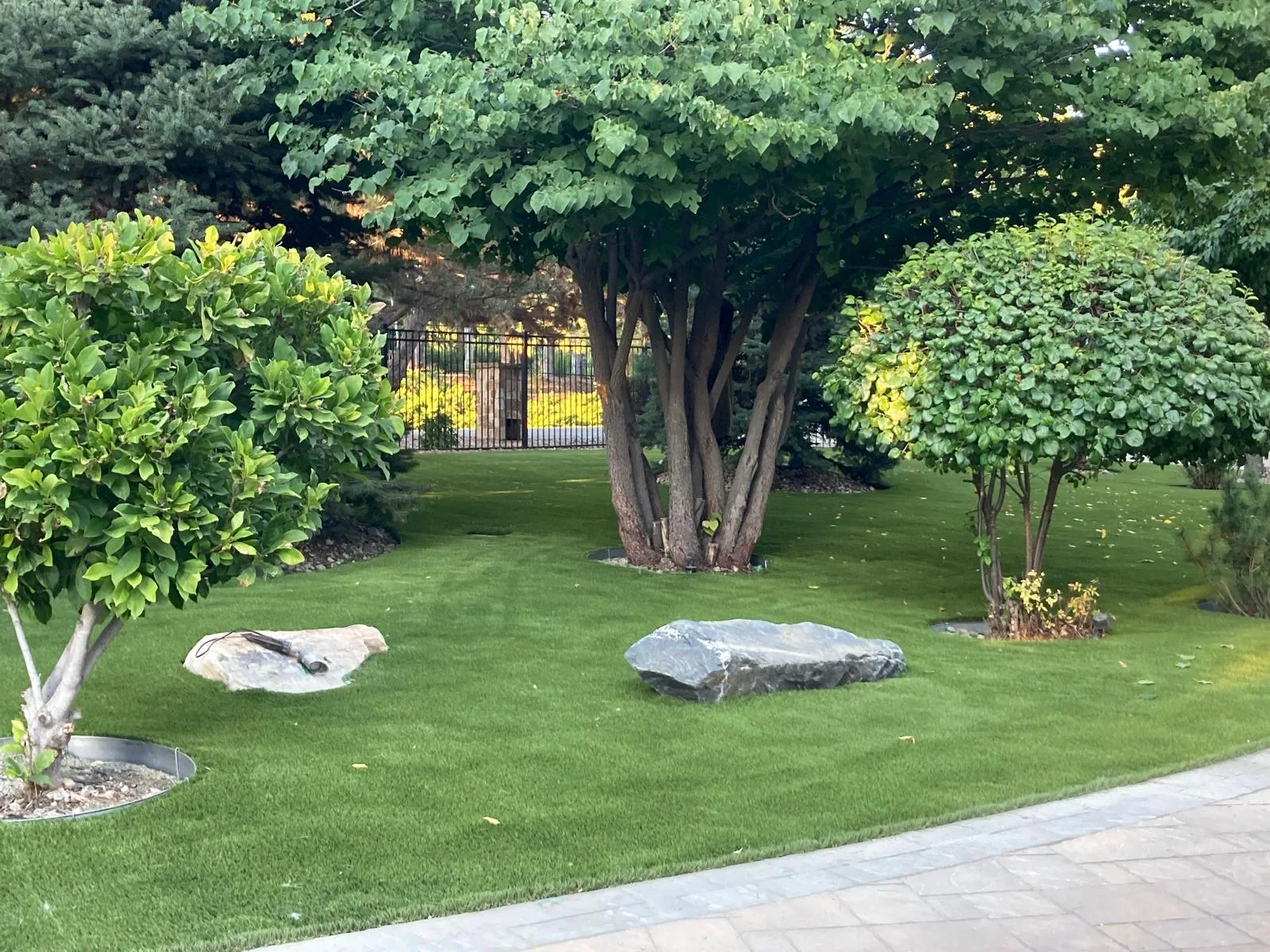
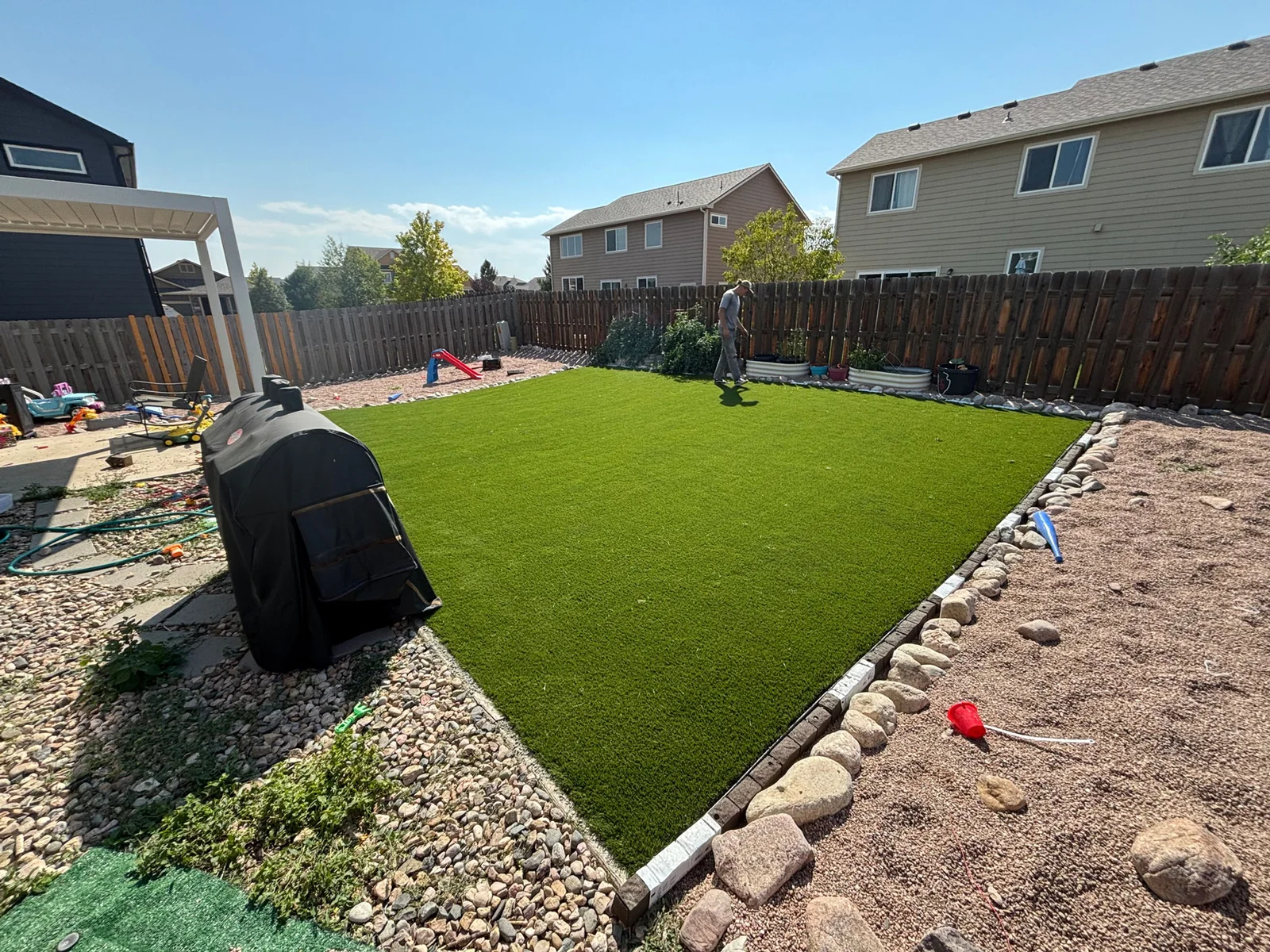
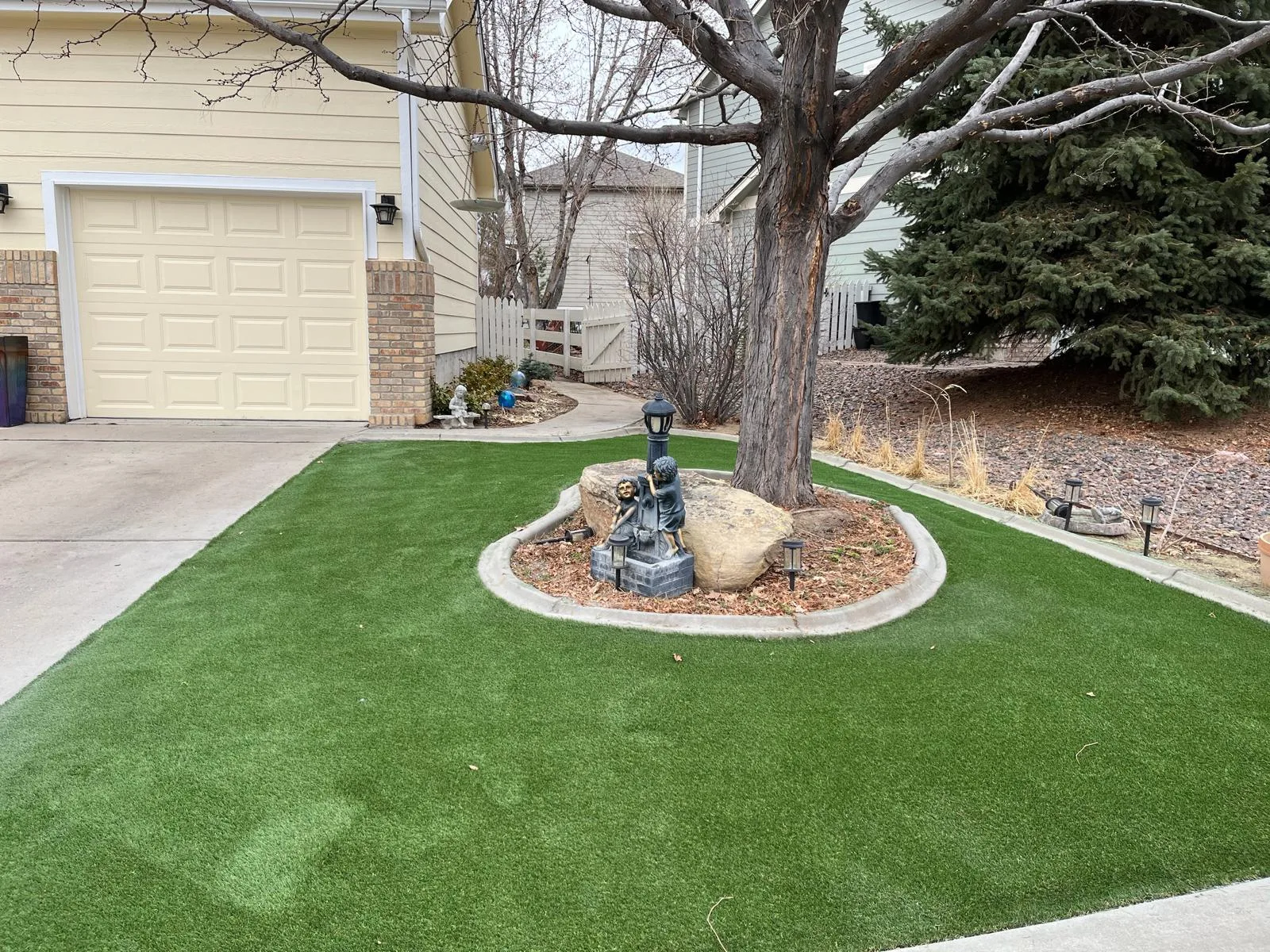
Artificial turf can suit a lawn where reducing mowing is a priority. Natural grass may suit you better if a living surface and the feel of a traditional lawn are central to the garden you want.
Neither option removes every responsibility. Compare installation, ongoing care, water, shade and the needs of children or pets across the life of your own yard.
You don’t have to choose one surface everywhere
A smaller turf area can sit beside planting, gravel or a retained section of lawn. We can discuss a layout that keeps each material where it is useful.
Ask for a site-specific estimate before relying on a payback claim. The numbers depend on the existing ground, your current lawn costs and the scope of the installation.